
Ever thought about learning new skills online but weren’t sure if platforms like Coursera are actually worth your time (or money)? 🤔
You’re not alone. With so many online learning websites out there, it’s easy to wonder:
👉 Is Coursera legit… or just another overhyped platform?
Some people claim it helped them switch careers, while others say it’s just “watching videos with a certificate.” So what’s the real truth?
In this guide, I’ll break everything down in simple terms what Coursera really is, how it works, and whether it’s actually useful for your career in 2026.
Let’s get into it 👇
⚡ Quick Answer: What Is Coursera & Is It Legit?
👉 Coursera is a legitimate online learning platform that offers courses, certificates, and degrees from top universities and companies like Google, IBM, and Stanford.
👉 It allows you to learn job-ready skills at your own pace, either for free (without certificate) or through paid programs.
👉 Yes, Coursera is legit—but its value depends on how you use it. It helps you gain skills and credentials, but it does not guarantee a job.
#1 What Is Coursera? (Simple Explanation)🧠
Coursera is an online learning platform where you can study different subjects and gain skills without going to a physical classroom.
👉 In simple words, it’s a place where you can learn from top universities and companies right from your laptop.
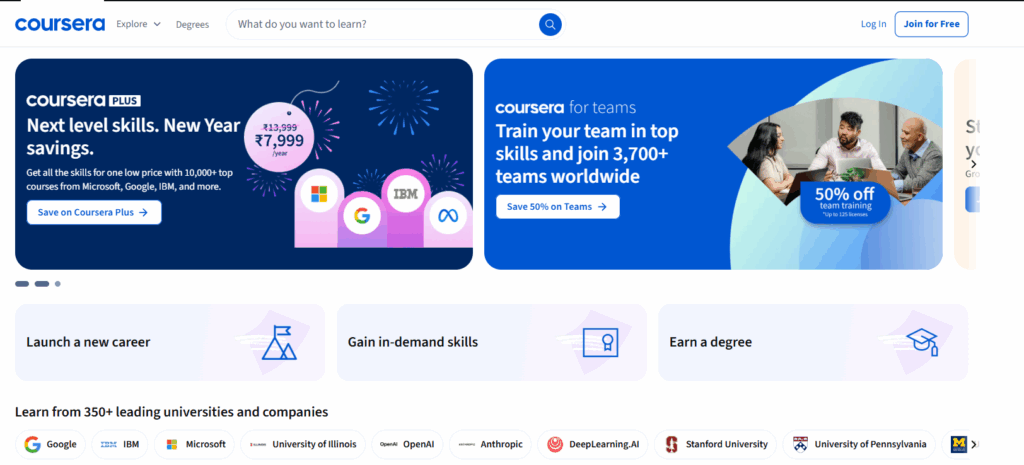
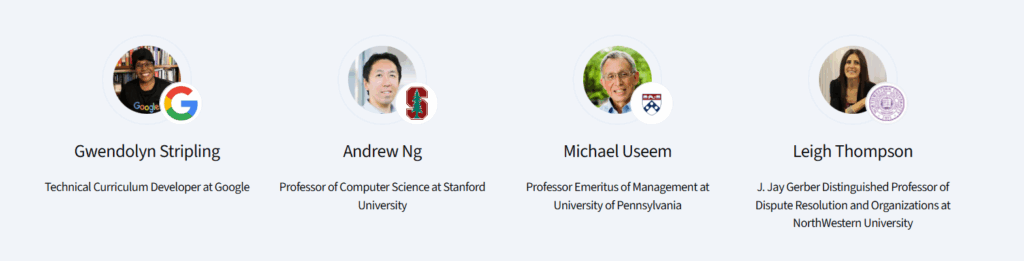
What makes it stand out is not just the courses, but who creates them. Instead of random instructors, Coursera partners with well-known organizations like Google, IBM, and leading universities. This means the content is more structured and closer to real-world education.
🎯 Why People Choose Coursera
Most online platforms focus on quick tutorials or basic knowledge.
Coursera is different because it focuses on structured learning and career growth.
Here’s what you can do on Coursera:
- Learn new skills at your own pace
- Follow step-by-step learning paths
- Earn certificates to showcase your knowledge
- Even complete full degree programs online
Because of this, many people see Coursera as a flexible alternative to traditional education.
One important thing to understand:
Coursera is not a shortcut to success.
It won’t guarantee a job or replace real-world experience overnight.
But it does give you a strong foundation, clear direction, and proof of your learning.
👉 If you actually complete courses and apply what you learn, it can be a powerful tool.
👉 If you don’t, it’s just another unfinished course.
#2 How Does Coursera Work? (Step-by-Step Guide) ⚙️
Coursera is built in a way that anyone can start learning without confusion even if you’ve never used an online learning platform before.
Here’s how the whole process works 👇
🎯 Step-by-Step Process
1. Choose a Course
You begin by selecting a course based on your interest or goal.
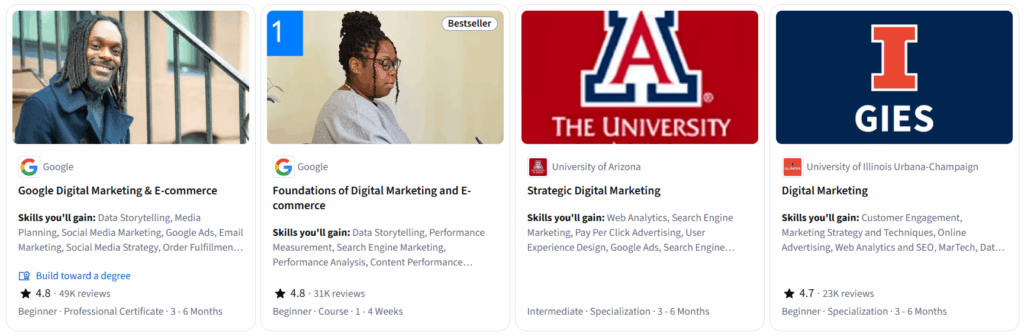
For example, if you want to learn digital marketing, coding, or data science, you can simply search and explore options.
Each course clearly shows:
- Difficulty level (beginner to advanced)
- Duration
- Skills you’ll learn
👉 This helps you avoid wasting time on the wrong course.
2. Enroll (Free or Paid)
Once you select a course, you can either:
- Start it for free (called audit mode)
- Or enroll in the paid version
Free mode lets you watch content, but you won’t get:
- Certificates
- Graded assignments
👉 If your goal is just learning, free is enough.
👉 If you want proof (for resume), you’ll need paid.
3. Watch Video Lessons
Courses are divided into small video lessons, usually 5–15 minutes each.
You can:
- Pause anytime
- Rewatch lectures
- Learn at your own speed
👉 This makes it easier compared to traditional classrooms.
4. Complete Assignments & Quizzes
To make sure you actually understand the topic, courses include:
- Quizzes to test knowledge
- Assignments to apply skills
- Sometimes peer-reviewed tasks
👉 This is where real learning happens not just watching videos.
5. Earn a Certificate 🎓
After completing the course (paid version), you get a certificate.
You can:
- Add it to your resume
- Share it on LinkedIn
- Show it as proof of your skills
👉 Many certificates are backed by companies or universities, which adds credibility.
#3 Types of Courses on Coursera 🎯
One reason Coursera stands out is the variety of learning options it offers.
You’re not limited to just one type of course you can choose based on your time, goal, and budget.
#4 Main Types of Learning on Coursera 📚
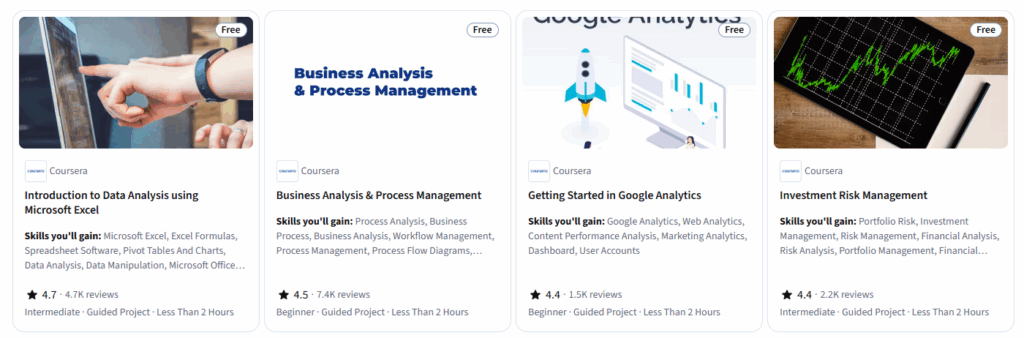
1. Guided Projects (Quick Skill Learning)
These are short, hands-on sessions that usually take 1–2 hours.
👉 Best for:
- Learning tools like Excel, Canva, Photoshop
- Practicing a specific skill quickly
If you just want to “learn and apply immediately,” this is the fastest option.
2. Individual Courses (Basic to Intermediate Learning)
These are standard courses that take a few hours to a few weeks.
👉 Best for:
- Understanding a topic from scratch
- Exploring new fields before committing
Most beginners start here.
3. Specializations (Skill Mastery)
A specialization is a group of related courses combined into a learning path.
👉 Best for:
- Deep understanding of one skill
- Building strong knowledge step by step
These usually take 1–3 months to complete.
4. Professional Certificates (Job-Focused Programs)
These are designed by companies like Google, IBM, and Meta.
👉 Best for:
- Career switching
- Job-ready skills
They focus more on practical learning rather than theory.
5. MasterTrack Programs (Partial Degrees)
These are advanced programs that are part of real university degrees.
👉 Best for:
- Learners who want academic-level knowledge
- People planning to continue into full degrees
6. Online Degrees (Full Programs)
Coursera also offers complete Bachelor’s and Master’s degrees.
👉 Best for:
- Students who want formal education online
- Working professionals who can’t attend college
These programs take 2–4 years, just like traditional degrees.
#5 Is Coursera Legit or Fake? (With Proof)
Let’s kill this doubt once and for all.
Yes — Coursera is 100% legit. No scam. No fake certificates.
But here’s the nuance most reviews ignore:
👉 Legit platform ≠ guaranteed job.

Proof it’s real:
- Accredited university partners – Yale, Duke, Penn, Imperial College. These schools don’t risk their reputation on scams.
- Transferable credits – Some MasterTrack courses give actual university credit (check with your school).
- Employers recognize it – Companies like Google, P&G, and Deloitte use Coursera for employee training.
- Better Business Bureau rating – A+ (though not many complaints).
- Trustpilot score – 4.6/5 (over 30k reviews).
But here’s the honest truth:
A certificate alone won’t get you hired. I’ve seen people complete 10 courses and still struggle. Why? Because employers want skills, not stickers.
Coursera is legit but treat it as a learning tool, not a magic job ticket.
#6 Are Coursera Certificates Worth It? 💼
This is where things get interesting, and honestly, a bit complicated.
When Coursera Certificates ARE Worth It ✅
1. You’re switching careers
Professional certificates from Google, IBM, or Meta can show employers you’re serious about learning new skills. They’re especially valuable in tech fields.
2. You need to fill skill gaps
Already in a job but missing specific skills? A certificate in “Data Visualization” or “Project Management” can help you level up.
3. You’re building a portfolio
The hands-on projects in many courses give you actual work to show. That’s more valuable than the certificate itself.
4. Your industry values continuous learning
Fields like tech, marketing, and healthcare appreciate professionals who keep learning. Certificates prove you’re staying current.
When Coursera Certificates Are NOT Worth It ❌
1. You think it replaces experience
A 6-month certificate doesn’t equal 2 years of work experience. Employers know this.
2. You’re in a field that requires formal degrees
Want to be a doctor, lawyer, or engineer? Coursera won’t cut it. You need traditional education.
3. You just collect certificates without applying skills
Having 10 certificates but zero real projects or experience? That’s a red flag for employers.
4. You expect instant job offers
Certificates help you get interviews, not guaranteed jobs. You still need to perform well in the hiring process.
#7 Coursera Pricing Explained 💵
Here’s where Coursera can get confusing. Let’s break it down:
Free Audit Option
You can audit most courses for free. This means:
- ✅ Watch all video lectures
- ❌ No graded assignments
- ❌ No certificate
Individual Course Purchase
Usually $49-$99 per course for full access and certificate.
Coursera Plus ($399/year or ~$59/month)
Unlimited access to 7,000+ courses and specializations. Good deal if you’re taking multiple courses.
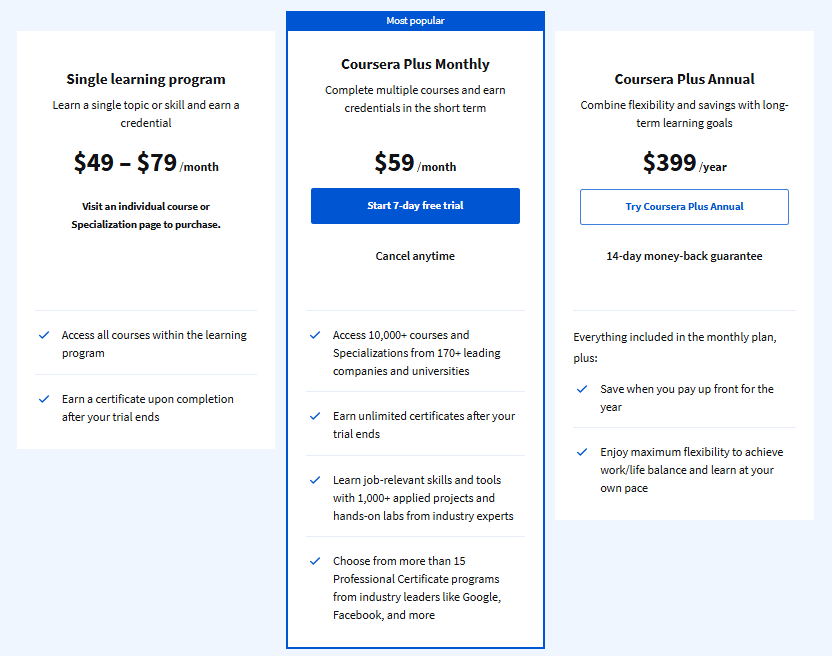
Professional Certificates
Range from $39-$79/month. Most take 3-6 months to complete, so total cost: $200-$500.
Degree Programs
These are expensive: $15,000-$50,000+ depending on the program. But still cheaper than traditional on-campus degrees.
Financial Aid
Coursera offers financial aid for those who can’t afford courses. You apply, explain your situation, and many people get approved for free access. 🙌
Pro tip: Start with the free audit to see if you like the course style before paying.
#8 Pros and Cons of Coursera ⚖️
Let’s be honest about what works and what doesn’t.
Pros ✅
- Learn from top universities without paying $50K in tuition
- Flexible schedule – learn whenever, wherever
- Industry-recognized certificates from companies like Google and IBM
- Hands-on projects in many courses
- Mobile app lets you learn on the go
- Affordable compared to traditional education
- Financial aid available for those who need it
Cons ❌
- Can get expensive if you’re taking multiple courses
- No real human interaction – it’s all pre-recorded (mostly)
- Requires self-discipline – easy to fall behind without deadlines
- Certificate value varies by employer and industry
- Some courses feel outdated (though they’re updating constantly)
- Assessments can be buggy – peer reviews aren’t always helpful
- Free option is very limited – you miss the best learning features
#9 Who Should Use Coursera (And Who Shouldn’t) 🤷
You SHOULD use Coursera if:
- You’re self-motivated and can stick to a learning schedule
- You want to learn specific skills without paying for a full degree
- You’re career-switching and need credentials to show
- You enjoy structured learning with assignments and feedback
- You want to explore a field before committing fully
- You have some free time but can’t attend in-person classes
You SHOULDN’T rely on Coursera if:
- You need hands-on, in-person training (like medical procedures)
- You require a traditional degree for licensing
- You struggle with online learning and need live interaction
- You’re looking for a “magic bullet” for instant career success
- You prefer completely free resources (YouTube might be better)
- You need networking opportunities that come with traditional education
#10 Coursera vs Competitors 🥊
How does Coursera Alternatives stack up against other platforms?
Coursera vs Udemy
- Coursera: University courses, structured, more expensive, recognized certificates
- Udemy: Individual instructors, cheaper, frequent sales, less formal recognition
Coursera vs edX
- Coursera: More user-friendly, better mobile app, larger course selection
- edX: Similar quality, nonprofit, some argue slightly more rigorous
Coursera vs LinkedIn Learning
- Coursera: Deeper courses, certificates from universities/companies
- LinkedIn Learning: Shorter, more practical, integrates with LinkedIn profile

Coursera vs YouTube
- Coursera: Structured, assignments, certificates, costs money
- YouTube: Free, scattered info, no accountability, no credentials
Each platform has its place. Coursera sits in the sweet spot between free YouTube chaos and expensive traditional education. 🎓
#11 Real User Experience (What People Don’t Tell You) 💬
Here’s what actual learners experience:
The Good Stuff 🌟
People genuinely learn valuable skills. I’ve seen folks land jobs after completing Google Career Certificates. The structure keeps you accountable, and the projects give you portfolio pieces.
The Frustrating Parts 😤
- Peer reviews can be hit or miss – sometimes you get helpful feedback, sometimes you get lazy reviews
- Some videos feel like college lectures – a bit dry and long
- Forum support isn’t always active – if you’re stuck, finding help can be tough
- Deadlines can be stressful for working professionals (though most courses are flexible)
The Reality Check 🎯
Most successful Coursera learners don’t just watch videos. They:
- Take detailed notes
- Build projects beyond course requirements
- Apply skills immediately in real situations
- Network with other learners
- Treat it like a real commitment, not casual Netflix learning
The certificate means nothing if you don’t actually learn. But if you put in real effort, Coursera can genuinely change your career trajectory.

#12 Best Courses on Coursera (2026 Trending) 🔥
Based on popularity and job market demand:
Tech & Data
- Google Data Analytics Professional Certificate – Great for career switchers
- Machine Learning Specialization by Andrew Ng – Industry classic
- IBM Data Science Professional Certificate – Comprehensive and hands-on
Business & Marketing
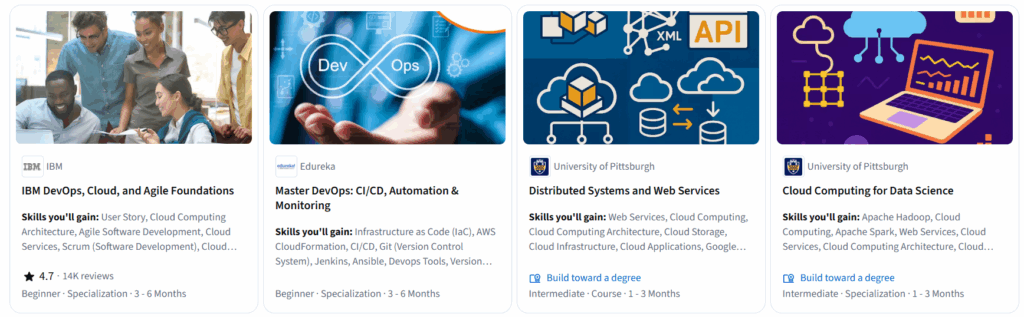
- Google Digital Marketing & E-commerce Certificate – Job-ready skills
- Financial Markets by Yale – Understanding finance fundamentals
Personal Development
- The Science of Well-Being by Yale – Most popular course on Coursera
- Learning How to Learn – Meta-learning skills
Design & Creative
- Graphic Design Specialization – Build a design portfolio
- UI/UX Design Professional Certificate by Google
These courses have strong reviews, active communities, and real career impact for many learners. 🚀
#13 Final Verdict: Is Coursera Worth It in 2026? 🎯
Short answer: Yes, but with conditions.
Coursera is worth it if you:
- Have clear learning goals (not just collecting certificates)
- Are willing to invest time and effort
- Want structured learning from credible sources
- Need affordable alternatives to traditional education
- Plan to apply what you learn immediately
Coursera is NOT worth it if you:
- Expect instant results without effort
- Only want free content (stick to YouTube)
- Need in-person, hands-on training
- Want to pay once and get a job guarantee
My honest take: Coursera is one of the best online learning platforms available in 2026. It’s not perfect, but it’s legitimate, valuable, and has genuinely helped millions of people learn new skills and advance their careers.
Just remember the platform is a tool. Your success depends on how you use it. 💪
Must Read:- Coursera Plus Review 2026: Is It Worth the Cost for You?
FAQs About Coursera ❓
Q: Can I get a job with a Coursera certificate?
A: Possibly, but it’s not guaranteed. Certificates help you get interviews, especially in tech fields. You still need skills, experience, and interview performance.
Q: Are Coursera certificates recognized by employers?
A: Many employers recognize certificates from Google, IBM, and universities. But recognition varies by industry and company.
Q: Is Coursera really free?
A: You can audit courses for free (video access only). For certificates and graded work, you need to pay.
Q: How long does it take to complete a Coursera course?
A: Individual courses: 4-8 weeks. Professional certificates: 3-6 months. It depends on your pace.
Q: Can I put Coursera certificates on my resume?
A: Absolutely! Add them to your education or professional development section. Also add to LinkedIn.

👨💻 Hi, I’m Anas Khan, a digital marketing expert with over 5 years of experience in e-commerce and affiliate marketing. I specialize in finding the best coupon codes 💸, Black Friday promotions 🛍️, and discount offers 💥 to help you save big!
I’ve dedicated myself to staying on top of the latest trends 📈 in online deals, so I can offer you the most reliable, tested advice. Whether you’re looking for promo codes or exclusive Black Friday deals, you can trust that my recommendations are based on solid research and personal expertise 🏆.