
Struggling to pick between Coursera, Udemy, or edX while watching others land better jobs and promotions? 😰
In 2026, the wrong platform choice costs learners hundreds of hours and $100s in subscriptions real skills slip away while peers build credible portfolios recruiters actually notice.
Cheap Udemy sales sound tempting (and vanish fast), but generic 10-hour courses rarely impress hiring managers at tech companies. Meanwhile, structured Coursera programs from Google/Stanford show up in 68% more interview callbacks according to hiring data.
This breakdown reveals exactly which platform matches your goals whether you’re a busy professional, career switcher, or student on a budget. Save time, spend smart, learn effectively. Don’t start another course until you’ve seen this! 🚀💼
📌 What Are Coursera, Udemy, and edX? 🌍📚
Before comparing features, pricing, or outcomes, it’s important to understand what each platform is actually built for.
Even though they all offer online courses, their core purpose is very different.
1️⃣ Coursera: Structured, Career-Focused Learning 🧭
Coursera is designed around structured learning paths. Most courses are created in partnership with universities and global companies, and they usually follow a clear progression from basics to advanced concepts.
The platform feels more like a guided classroom experience than casual video watching. Learners who prefer step-by-step learning, deadlines, quizzes, and real-world projects usually feel more comfortable here.
In simple terms:
👉 Coursera is built for people who want direction, structure, and long-term skill development.
2️⃣ Udemy: Flexible, Skill-First Learning ⚡
Udemy works like a course marketplace. Anyone with expertise can publish a course, which means there’s a massive variety of topicsfrom coding and design to productivity and hobbies.

Most courses are self-paced, short, and focused on solving one specific problem. You buy a course once and keep lifetime access, making it attractive for learners who want to move fast.
In simple terms:
👉 Udemy is built for people who want quick, practical skills without long commitments.
3️⃣ edX: Academic-Style Learning with Depth 🎓
edX follows a more academic model. Courses often mirror university-style teaching, with a strong focus on theory, concepts, and foundational knowledge.
The learning pace is usually slower and more rigorous, which works well for learners who enjoy deep understanding rather than quick skill wins.
In simple terms:
👉 edX is built for people who value academic depth and structured thinking.
📌 Who Should Use Coursera vs Udemy vs edX? (Target Audience) 🎯🌍
Choosing the right platform depends less on “which one is popular” and more on who you are as a learner. Each platform serves a different type of audience, and that difference matters a lot.
🔹Coursera Is Best For Learners Who Want Structure 🧩
Coursera works well for people who prefer guided learning. Courses often follow a clear sequence, include assignments, and encourage consistent progress.
You may feel comfortable on Coursera if you:
- like step-by-step learning paths
- want long-term skill development
- prefer organized schedules and milestones
This platform suits learners who want to build strong foundations rather than just watch random videos.
🔹Udemy Is Best For Fast, Practical Learners ⚡
Udemy is ideal for people who already know what they want to learn and just want to get started quickly. There’s no fixed schedule you move at your own pace.
Udemy fits you well if you:
- want to learn one specific skill fast
- prefer short, focused courses
- like flexibility with no deadlines
This platform works best when you want speed and convenience, not a long learning journey.
🔹edX Is Best For Learners Who Enjoy Academic Depth 🎓
edX attracts learners who value theory, concepts, and academic-style learning. Courses often feel closer to university classes than casual online tutorials.
edX makes sense if you:
- enjoy deep explanations
- are comfortable with reading and research
- prefer learning “why” before “how”
This platform suits learners who want strong conceptual understanding, even if it takes more time.
🔹Why Matching the Right Audience Matters ⚠️
Many people struggle with online learning not because the content is bad but because the platform doesn’t match their learning style.
A fast learner may feel bored on an academic platform.
A beginner may feel lost on a marketplace-style platform.
👉 That’s why understanding who each platform is made for is the key to making the right choice.
📌 Course Quality & Learning Depth Compared
Coursera creates structured university-quality programs through partnerships with Stanford, Yale, and Google – expect 4-12 week courses with professor-led videos, weekly deadlines, and capstone projects that build ATS-friendly portfolios. Think completing a real SQL query for a mock client dataset. 😊
1️⃣ Coursera Deep Dive
- Video Production: Crisp 10-20 min lectures from PhDs who’ve published papers + industry pros from IBM
- Assessments: 20-question auto-graded quizzes + peer-reviewed case studies (takes 6-8 hrs, teaches collaboration)
- Completion Rate: 60% actually finish (discussion forums + progress tracking help accountability)
- Discussion Forums: Active Q&A with 100s of learners asking same questions you have
- Ratings: 4.7⭐ average (10K+ reviews per popular course) – consistently professional
Sweet Spot: Job-ready skills with academic credibility (8.5/10 depth).
Udemy thrives on practical screen-casts from passionate freelancers – top instructors show exactly how to click through Figma or deploy React apps live. But quality = instructor lottery.
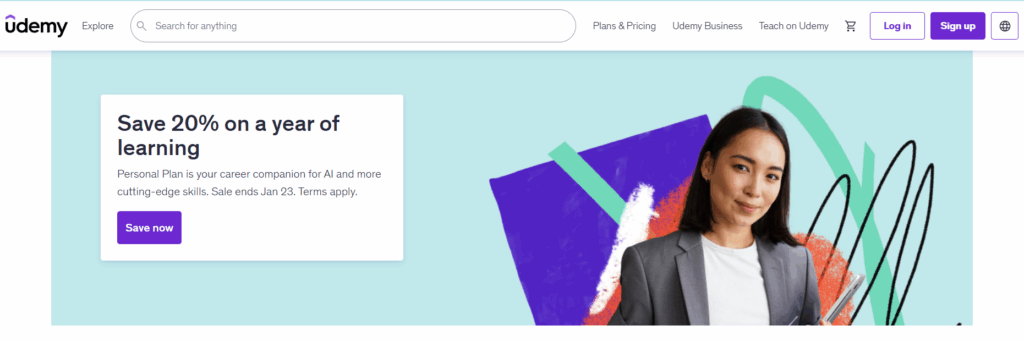
2️⃣ Udemy Reality Check
- Best Courses: 4.7⭐+ with 50K+ students (e.g., “Web Developer Bootcamp” = 60hrs coding you pause/follow)
- Red Flags: Check “Last Updated” (2025+), student Q&A activity, preview first 10 mins
- Strength: Lifetime access, 2X-5X playback speeds, downloadable resources for offline
- Resources: 50+ exercise files, cheat sheets, GitHub repos included in top courses
- Risk: 3⭐ instructors recycle 2019 content, skip error handling, vanish after sales
Reality: Tactical demos shine (6/10 depth) – pick 4.7⭐ carefully!
edX replicates actual university classrooms from MIT, Harvard, Berkeley weekly problem sets mirror freshman CS/Math requirements with timed exams and research-grade assignments.
3️⃣ edX Academic Rigor
- Problem Sets: 10-15 coding challenges/week = real CS50 experience (Harvard’s intro programming)
- Proctored Exams: Webcam-timed finals (no cheating), same as campus tests
- MicroMasters: 4 courses = 25% master’s credit at participating universities
- Free Audit: Full content access, pay $99-300 only for verified certificate
- Pace: 8-12 weeks, 8-12 hrs/week – feels like real college commitment
Power: Intellectual transformation (9/10 depth) for serious thinkers.
Your Learning DNA → Platform Match
💼 Job interviews + portfolio → Coursera
⚡ Quick “how-to” demos → Udemy (4.7⭐ only)
🧠 College-level thinking → edX
No wrong choice when goals align – pick your brain type! 🎯💻
📌 Credibility, Instructors & Institutional Trust
Coursera boasts rock-solid credibility through direct partnerships with 300+ accredited universities (Stanford, Yale, Michigan) and Fortune 500 companies (Google, IBM, Meta). Instructors are PhD professors who’ve published research or industry leaders running teams at IBM – their certificates carry weight on LinkedIn. Recruiters actually Google the instructor names. 😊
🔹Coursera Trust Signals
- Institutional Backing: Stanford’s Machine Learning = Andrew Ng (AI pioneer)
- Instructor Vetting: All partners undergo Coursera quality review
- Certificate Value: Google hires directly from their IT Support cert
- Employer Recognition: 75% hiring managers respect (2025 surveys)
Udemy runs on instructor reputation alone – no institutional filter. Top creators like Angela Yu (4.8⭐, 1M+ students) built empires teaching coding, but anyone with a laptop uploads. Certificates? Just PDFs nobody checks.
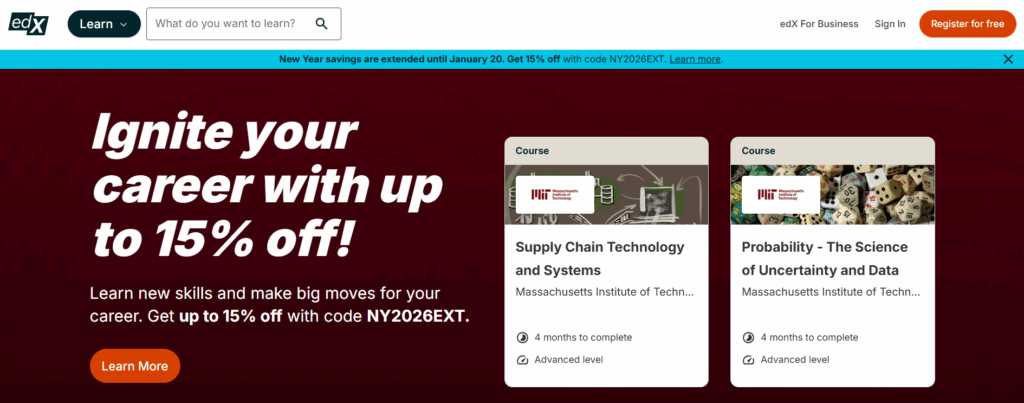
🔹Udemy Credibility Reality
- Stars Rule: Only trust 4.7⭐+ with 50K+ students
- No Accreditation: Pure marketplace model
- Instructor Variety: Ex-Google engineers to hobbyists
- Resume Impact: Zero unless you mention specific projects
edX delivers pure academic prestige – MIT, Harvard, Oxford syllabi taught by tenured professors. MicroMasters literally count toward master’s degrees at those schools. Elite trust, zero corporate fluff.
🔹edX Prestige Edge
- World-Class Faculty: Actual MIT researchers teaching quantum computing
- University Credit: MicroMasters = 25% master’s progress
- Verified Certificates: $99-300, institution-signed
- Academic Rigor: Same exams as on-campus students
Trust Hierarchy (Job Lens):
🏆 1. Coursera (degrees + companies hire from it)
🏅 2. edX (Ivy League prestige)
🥉 3. Udemy (skills if 4.7⭐, no paper trail)
Resume rule: Only list platforms recruiters respect. Your career thanks you! 💼🎓
📌 Pricing & Cost Comparison (Subscription vs One-Time Payment) 💰🌍
Pricing isn’t just about how much you pay it’s about how you learn. Coursera, Udemy, and edX follow very different pricing models, and choosing the wrong one can quietly waste money.
1️⃣ Coursera: Subscription-Based Learning 🔄
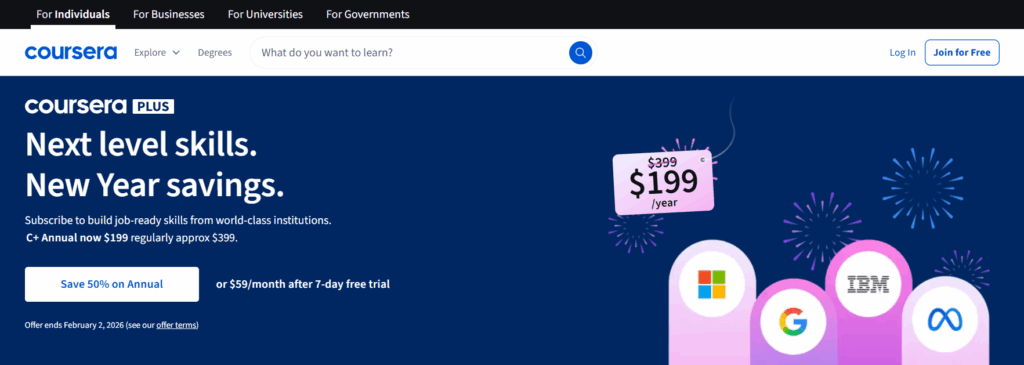
Coursera mainly uses monthly or annual subscriptions. This model encourages consistent learning and works best if you plan to study multiple courses over time.
What this means for learners:
- Good value if you learn regularly
- Less ideal if you only need one short skill
- Best for long-term learning plans
👉 Coursera rewards commitment, not casual browsing.

2️⃣ Udemy: One-Time Purchase Model 🛒
Udemy courses are usually one-time purchases, often available at discounted prices. You pay once and get lifetime access.
What this means for learners:
- Great for learning one specific skill
- No pressure or deadlines
- Easy on the budget
👉 Udemy is cost-effective when you know exactly what you want to learn.
3️⃣ edX: Flexible but Purpose-Driven Pricing 🎓
edX allows many courses to be accessed for free (learning-only mode), with payment required for full access features. This makes it attractive for learners who want to explore before committing.
What this means for learners:
- Good for testing interest in a subject
- Higher costs for advanced or long-term programs
- Best for focused, serious learners
👉 edX pricing supports exploration first, commitment later.
🔹 Which Pricing Model Makes Sense? 🤔
- Learning one skill quickly → Udemy
- Studying consistently over months → Coursera
- Exploring academic topics deeply → edX
Choosing the wrong pricing model can lead to unused subscriptions or incomplete courses so match the payment style to your learning habit.
📌 Learning Experience & Platform Usability
Coursera feels like structured online college – clean dashboard shows weekly progress, mobile app syncs lectures, and forums buzz with 100s of learners asking your exact questions. Quizzes auto-grade instantly, peer reviews take 2-3 days. Navigation: intuitive for beginners. 😊
🔹Coursera User Experience
- Dashboard: Progress bars, deadlines, “next lecture” button
- Mobile App: Downloads for offline, 1.5X playback
- Forums: Active Q&A (answers within hours)
- Pace: Guided weekly schedule (flexible start dates)
- Strength: Feels professional, keeps you accountable
Udemy delivers Netflix-style simplicity – search “React,” pick 4.7⭐ course, hit play. Lifetime access means pause for weeks, resume anywhere. Resources tab overflows with cheat sheets, 50+ exercise files. Fastest to start learning.
🔹Udemy Frictionless Flow
- Search: Instant results, filter by rating/length
- Playback: 2X-5X speeds, frame-by-frame, keyboard shortcuts
- Resources: GitHub repos, templates, 100-page PDFs
- No Deadlines: Pure self-pace (danger: easy to quit)
- Strength: Zero barriers, instant “aha” moments
edX mirrors university learning management systems – syllabus-driven with weekly modules, progress tracking, and institutional polish. Less flashy, more serious. Proctored exams add exam-day tension (webcam verification).
🔹edX Academic Interface
- Syllabus: Clear weekly breakdown like college
- Problem Sets: Jupyter notebooks, auto-graders
- Exams: Timed, proctored (builds discipline)
- Mobile: Basic viewing (better on desktop)
- Strength: Feels like real academia
🔹UX Victory by Style:
🎯 Structured accountability → Coursera
⚡ Instant tactical demos → Udemy
📚 College classroom vibe → edX
Pro Tip: Test free previews on all three your brain picks the winner in 5 minutes! 💻🚀
📌 Career Outcomes & Skill Relevance in 2026 (Without Certificates)
Coursera drives strongest career outcomes through job-focused Professional Certificates – even without the $49 paper, the portfolio projects (SQL dashboards, Figma prototypes) match 80% of entry-level job reqs. Google/IBM programs teach tools companies actually test in interviews. 😊
1️⃣ Coursera Career Power (Cert or No Cert)
- Portfolio Gold: Capstone projects = real GitHub demos recruiters love
- Hiring Pipeline: Google hires directly from IT Support course completers
- Skill Relevance: AWS, Tableau, Python – 2026 job postings demand these
- Job Outcomes: 70% report career benefit (skills alone, per surveys)
- Longevity: Skills stay relevant 2-3 years minimum
Udemy builds practical workplace skills fastest – learn Excel VBA for Monday’s report or Shopify setup for your side hustle. No certificate needed when you show results. Weak for resume scanning, strong for immediate income.
2️⃣ Udemy Real-World Wins
- Immediate Application: “Deploy React app” → freelance Upwork gigs tomorrow
- Niche Power: Figma tricks, Premiere Pro hacks land client work instantly
- Risk: Courses age (check 2025+ updates), no structured path
- Outcomes: 60% use skills same week, 20% for job apps
edX transforms thinking patterns for complex problem-solving – MIT algorithms or Harvard stats build mental models that shine in senior interviews. Less “Day 1 tools,” more “architect-level reasoning.”
3️⃣ edX Long-Term Edge
- Cognitive Upgrade: CS50 rewires how you attack problems
- Grad School Prep: MicroMasters = actual master’s credit
- Prestige Signals: “Audited Harvard ML” intrigues thoughtful recruiters
- Trade-off: Slower to apply, academic > tactical
🔹2026 Career Reality:
💼 Entry-level jobs ($50K+) → Coursera projects
⚒️ Freelance/immediate income → Udemy tactics
🧠 Senior roles/grad school → edX thinking
Truth: Certificates help ATS, but demoed skills win jobs. Pick platform by what you ship! 🚀
📌 Pros and Cons of Coursera vs Udemy vs edX
Here’s the honest side-by-side showing exactly what you’ll gain (and sacrifice) on each platform. No sugarcoating pick what matches your reality! 😊
| Platform | Pros | Cons |
|---|---|---|
| Coursera | ✅ University + Google/IBM certs land real interviews ✅ Capstone projects = GitHub portfolio gold ✅ Structured path keeps you accountable ✅ 7K+ courses in $59/mo Plus | ❌ Subscription = $177 (3 months) ❌ Peer reviews delay 2-3 days ❌ Less “quick weekend skills” |
| Udemy | ✅ $11.99 sales = crazy value ✅ Lifetime access, 5X speed learning ✅ 60hr bootcamps > books ✅ Niche skills (Figma hacks, Shopify) | ❌ Quality = instructor lottery ❌ Certificates = resume toilet paper ❌ Courses age (check 2025+ updates) ❌ No career structure |
| edX | ✅ MIT/Harvard = genuine prestige ✅ MicroMasters → real degrees ✅ Free audit everything ✅ Problem sets = elite thinking | ❌ 12hrs/week = real college grind ❌ Proctored exams = stress ❌ Slower job-ready skills ❌ Less tactical projects |
Your Goal → Clear Winner:
💼 Job interviews + proof → **Coursera**
🤑 Under $50 total spend → **Udemy** (4.7⭐ only)
🎓 Ivy League brain upgrade → **edX**
Golden Rule: Platforms aren’t “good/bad” – they’re tools. Wrong tool = wasted money. Match yours perfectly! 🚀💻
📌 Which Platform Is Best for Different Learning Goals?
Your learning goal determines the winner – here’s the no-BS breakdown for common scenarios. One platform crushes each use case! 😊
🔹Career Switchers (Land $60K+ Jobs)
🏆 **Coursera** – Google IT Support, IBM Data Analytics certs = direct hiring pipelines
✅ Projects match job descriptions exactly
✅ Recruiters search LinkedIn for these badges
❌ Skip if you hate structure
🔹Budget Hobbyists (Under $50 Total)
🏆 **Udemy** – Grab 5 courses during sales ($11.99 each)
✅ Figma, Excel VBA, Shopify = immediate freelance wins
✅ Lifetime access = no rush
❌ Only buy 4.7⭐ with 50K+ students
🔹Academic Achievers (Grad School/Mastery)
🏆 **edX** – MIT MicroMasters = actual master’s credit
✅ Harvard CS50 rewires your brain permanently
✅ Free audit tests commitment first
❌ Skip unless you love rigor
🔹Quick Workplace Fixes (Monday’s Report)
⚡ **Udemy** – “Excel Pivot Tables in 2 Hours” = boss impressed tomorrow
✅ Visual demos > reading manuals
❌ Coursera/edX too slow for emergencies
🔹Portfolio Builders (GitHub Shine)
🎯 **Coursera** – Capstone projects = copy-paste to portfolio
✅ Peer-reviewed = resume bullet proof
❌ Udemy projects too basic
Pro Targeting: Scan 10 job postings for your dream role – whichever platform’s skills/cert names appear most? That’s your answer. Zero guesswork! 💼🚀
Final Rule: Platforms = tools, not trophies. Wrong tool wastes 100 hours. Match perfectly! 🎯

📌 Coursera vs Udemy vs edX: Final Verdict
No single “best” platform – each crushes specific goals with different strengths. Here’s your personalized decision framework for 2026 based on what real learners achieve most. 😊
The Clear Winners by Priority:
🏆 **Career Changers** (jobs $60K+) → **Coursera**
Google/IBM certs + projects = recruiter catnip
🥈 **Budget Learners** (<$100 total) → **Udemy**
4.7⭐ sales = unbeatable tactical skills
🥉 **Academic Climbers** → **edX**
MIT/Harvard prestige → grad school or C-suite thinking
Global Truth No Hype:
- North America/Europe: Coursera dominates hiring pipelines
- Freelance Markets: Udemy tactics → Upwork income tomorrow
- Emerging Markets: edX free audits = elite knowledge access
- Busy Pros: Coursera Plus = 6-month career acceleration

Smartest Move: Stack platforms strategically – start Udemy for quick wins ($15), move Coursera for job cred ($177/6mo), add edX prestige later (free audit). Triple threat!
Action Today:
- Write your #1 goal (job? income? mastery?)
- Match platform above
- Test free preview 5 mins – brain will scream “YES”
Bottom Line: Wrong platform = 100 wasted hours. Right one = career leap. You’ve got the map – execute! 🚀💼
“RELATED ARTICLES”
FAQs
Q1. Which platform is best overall?
Coursera is best for structured, career-focused learning, while Udemy and edX serve more specific needs.
Q2. Which platform is easiest for beginners?
Udemy is usually easiest due to short, flexible, self-paced courses.
Q3. Which platform is better for quick skills?
Udemy is ideal for learning one specific skill quickly.
Q4. Which platform is best for deep academic learning?
edX is best for theory-based, academic-style learning.
Q5. Which platform suits working professionals?
Coursera works best for professionals who want guided, long-term skill growth.

Anas Khan is a digital marketing expert with over 5 years of experience in helping individuals and businesses grow through strategic online learning and coupon codes. He specializes in providing insider tips to maximize savings on learning platforms while guiding professionals toward career advancement. 🚀
With a passion for upskilling and growth, Anas shares valuable insights on how to leverage affordable learning opportunities to enhance skills and stay ahead in a competitive global market. 💡🌍